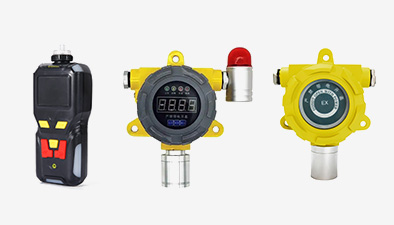
Explosion proof electrical testing is a comprehensive inspection and testing of explosion-proof equipment such as explosion-proof electrical boxes, explosion-proof motors, explosion-proof lamps, etc. used in explosive gas and vapor hazardous areas, as well as explosive and combustible dust hazardous areas, and the environment in which they are used. In accordance with the requirements of national AQ3009-2007 "Electrical Safety and Explosion Prevention Specification for Hazardous Areas" and "Construction Acceptance Specification for Electrical Equipment Installation Engineering Explosion and Fire Hazardous Environment Electrical Equipment", it identifies and searches for explosion-proof safety hazards in the environment or equipment, and provides professional on-site explosion-proof safety solutions. Provide a legally binding testing report.
The general content of explosion-proof electrical testing includes:
Power system testing: mainly refers to the testing of the overall reduction part, including performance testing (mainly referring to output testing: parameters include power testing, efficiency testing: parameters include internal impedance testing), safety testing: mainly refers to grounding impedance testing, electrostatic grounding testing, and safety distance testing.
Motor detection: includes output detection: parameters include speed detection, output power detection, parameters include head, flow rate, etc. Explosion proof safety detection: includes grounding resistance detection, equipotential detection, insulation resistance detection, vibration detection, thermal imaging detection, noise detection, safety distance detection, monitoring system detection, etc. Among them, vibration detection is not supported by national standards, and on-site detection is based on the working parameters at the factory as the testing indicators.
Electrical testing of equipment and ancillary pipelines: including testing of equipment grounding resistance, insulation resistance, and cross resistance of pumps, pipelines, etc.
Electrical transmission and installation testing: including cable installation, selection testing, cable trench layout testing, installation testing, electrical component installation selection testing, etc.
Electrical usage site testing: including static grounding pile testing, transformer and distribution station, control room safety distance testing, etc.